
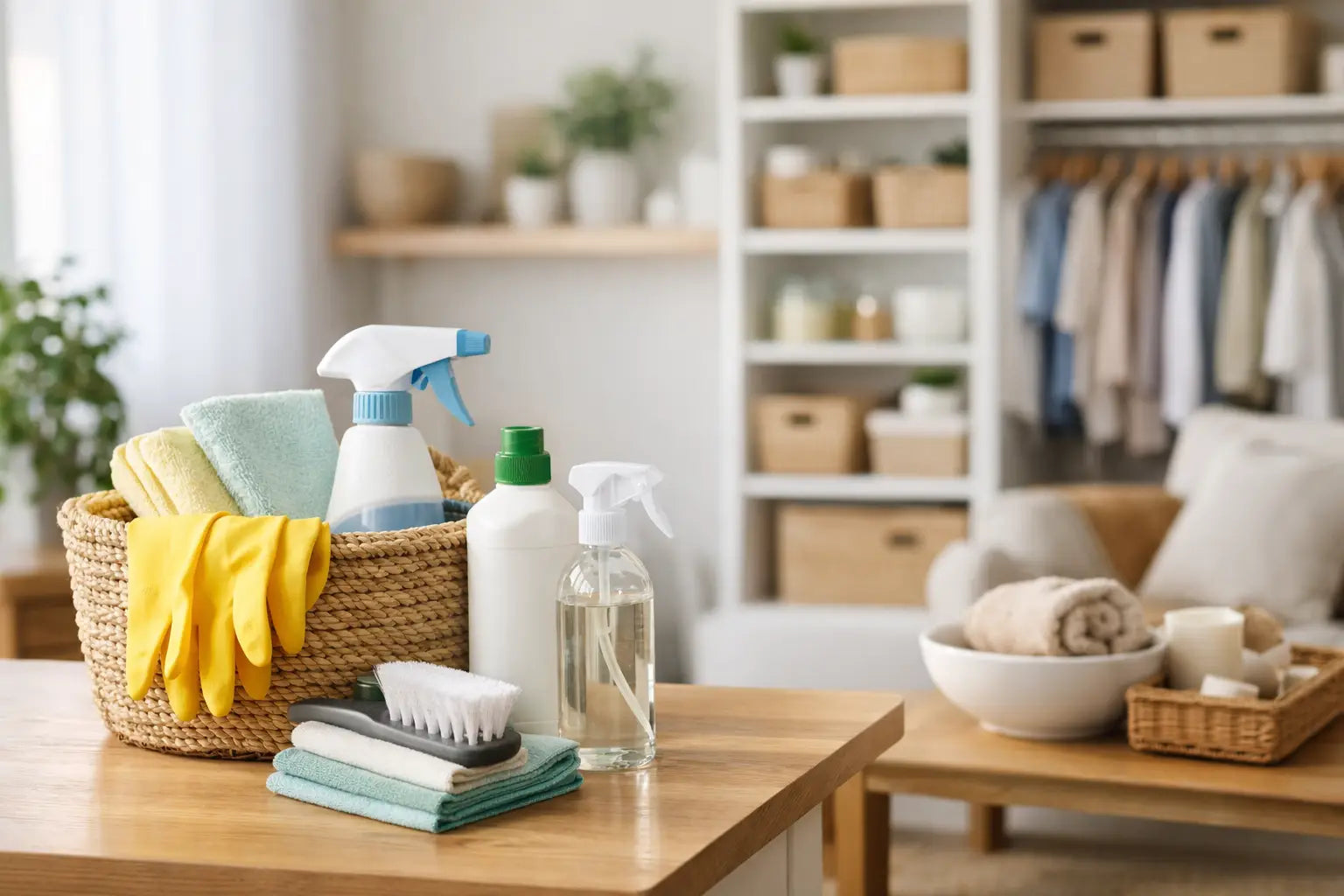
Home Cleaning Tips and Organization That Work
The laundry basket is full, backpacks land by the door, and the kitchen looks like it hosted three separate meals before noon. For busy households, home cleaning tips and organization are not about keeping a picture-perfect home. They are about creating a home that feels easier to live in, even during the busiest weeks.
A helpful routine should reduce the number of decisions you make at the end of a long day. When everyday items have a clear place and small messes are addressed before they spread, cleaning feels less like a weekend project and more like a manageable part of home life.
Start With the Rooms That Affect Your Day
Not every room needs the same level of attention every day. Start with the spaces that create the most stress when they are cluttered or dirty. For many families, that means the kitchen, entryway, living room, and primary bathroom.
The kitchen is often the best place to begin because it supports nearly every other part of the day. Clearing the counters, putting dishes where they belong, and taking a moment to reset the sink after meals can make the entire room feel calmer. The goal is not to make your kitchen look unused. It is to make it ready for the next meal, school morning, or coffee break.
In the entryway, focus on what comes into the home each day. Shoes, coats, mail, sports gear, and bags can take over quickly when there is no landing spot for them. A simple designated area for each person's daily essentials keeps clutter from traveling farther into the house.
Your living room may be where the family relaxes, but it can also become a holding area for everything that has not been put away. Keep a small basket or closed storage option nearby for blankets, books, and everyday items. This gives you a quick way to restore the room before company arrives or before settling in for the evening.
Build Home Cleaning Tips and Organization Around Resets
A reset is a short, intentional return to order. It works best when it happens at a predictable time, such as after dinner, before bed, or before leaving the house in the morning. Instead of trying to clean every surface, focus on restoring function.
An evening reset might include loading the dishwasher, wiping down the kitchen table, putting shoes back in their place, and returning loose items to the rooms where they belong. If everyone in the household participates, even briefly, the work becomes lighter and the next morning starts with less pressure.
The key is to keep the reset realistic. A 10-minute routine that happens most nights is more valuable than an ambitious plan that only happens once a month. Some seasons are busier than others, especially during school activities, travel, holidays, or demanding work schedules. During those times, lower the standard from "everything done" to "the home is ready for tomorrow."
Give Each Category a Home
Organization becomes much simpler when like items live together. This sounds basic, but it solves a surprising number of daily frustrations. If batteries, charging cords, permission slips, pet supplies, and cleaning products each have a reliable home, family members are less likely to leave them on counters or tables.
Choose storage based on how you actually use an item. Frequently used items should be easy to reach. Seasonal items can be stored higher up or farther away. Things that tend to create visual clutter, such as toys or media accessories, may work better in closed bins or cabinets.
Avoid buying containers before deciding what needs to be kept. Beautiful baskets cannot solve an overflow of items with no purpose or place. First, decide what belongs in a space. Then choose storage that fits the volume, the people using it, and the routine you can maintain.
Make Clutter Easier to Put Away
The best organization systems remove friction. If putting something away requires opening several doors, moving other items, or walking across the house, it probably will not happen consistently.
Place a hamper where clothes are most often changed, not where you think it should be. Keep a small trash can in the areas where wrappers and tissues accumulate. Store school supplies near the spot where homework happens. These practical choices make the right action the easy action.
It also helps to create a simple paper routine. Mail, school forms, and appointment notices can pile up fast, particularly in family homes. Set aside one visible place for papers that need action and another for items worth keeping. Review the action pile on a consistent day each week so important documents do not disappear beneath grocery ads and receipts.
For children's belongings, use systems they can understand and reach. Labels, picture cues for younger children, and limited choices all help. A toy bin works better when it has a clear category than when it becomes a catch-all for every item in the house.
Clean in a Way That Supports Your Schedule
Cleaning routines should fit your life, not compete with it. A household with young children, pets, frequent guests, or a packed activity calendar may need more frequent attention in high-traffic areas. A quieter household may prefer fewer touch-ups and a more focused weekly rhythm.
Rather than assigning an entire day to cleaning, consider attaching small tasks to moments already built into your routine. The bathroom can be tidied while someone gets ready for bed. The kitchen can be reset while dinner is wrapping up. A quick pass through the main living spaces before the weekend can prevent clutter from becoming overwhelming.
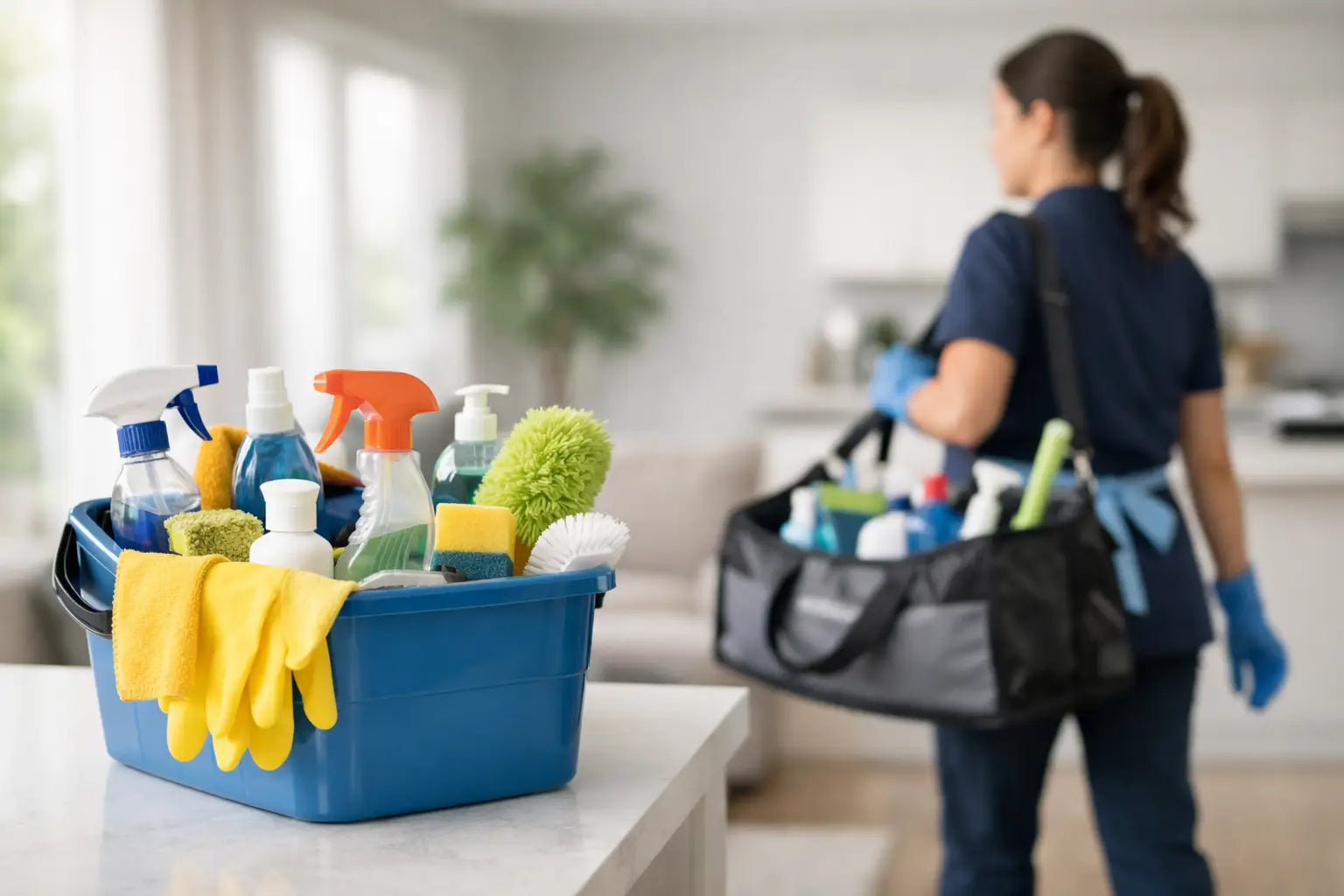
Think in terms of maintenance versus deeper care. Maintenance keeps the household comfortable between more thorough cleanings. It includes putting items away, keeping shared spaces orderly, and addressing everyday buildup. Deeper cleaning takes more time and attention, which is why many busy homeowners prefer dependable recurring support for the parts of home care that are harder to fit into a full schedule.
For Olathe, Overland Park, and surrounding Kansas City families, a recurring professional cleaning schedule can provide a reliable foundation. iShine KC can handle personalized cleaning support while your household routine keeps the spaces functional and organized between visits. That balance gives you the benefit of a cared-for home without asking you to spend every free hour maintaining it.
Focus on One Small Problem at a Time
When a home feels out of control, it is tempting to pull everything out and attempt a complete overhaul. Sometimes that approach works, especially before a move or a major life change. More often, it creates a larger mess and drains the energy needed to finish.
Choose one trouble spot instead. It could be the kitchen counter, the laundry chair, the hallway closet, or the bathroom cabinet. Ask one practical question: what keeps collecting here, and what would make it easier to put away?
A counter that gathers mail may need a paper station nearby. A chair covered in clothes may point to a closet that is too crowded or a missing hamper. A messy bathroom cabinet may simply hold more products than the household uses. Small changes based on real habits are more likely to last than a system designed for an idealized routine.
Prepare for Guests Without the Panic
A clean, welcoming home does not require cleaning every room before visitors arrive. Put your attention where guests will spend time: the entry, living areas, kitchen, and bathroom. Clear visible clutter, refresh the main surfaces, and make sure there is room for people to sit comfortably.
This is also a good reason to protect a few open surfaces throughout the week. When the dining table, kitchen counters, and bathroom vanity are mostly clear, preparing for guests becomes much faster. You are not starting from zero, even if the rest of the house is actively being lived in.
For holidays, celebrations, or out-of-town visitors, plan ahead when possible. A scheduled cleaning can take pressure off before a busy event, while simple organization keeps last-minute details from taking over the home.
A home that works well is not one where nothing is ever out of place. It is one where your family can find what they need, recover from a busy day, and welcome people in without unnecessary stress. Start with one reset, one room, or one cluttered surface this week. A little structure can create more breathing room where it matters most.


Leave a comment
This site is protected by hCaptcha and the hCaptcha Privacy Policy and Terms of Service apply.